|
|
|
Timberesque
|

(DVD - Code 1)
(US-Import)
|
|
| Inhalt: |
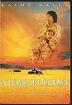
Famed singing star Andy Rance is stood up by his bride-to-be at the altar. Rejected by the world, he takes his dog FIash and escapes to the wilderness of the High Sierras. Finding peace communing with nature, Andy is content until a female aviatrix, Celeste, crashes her bipIane near his camp. Despite having sworn off humanity, the former celebrity finds himself intrigued by this mysterious woman, particuIarIy with her tendency towards late night skinny dipping. When CeIeste is threatened by a pack of bloodthirsty woIverines, Andy puts aside his isolationist ways to save the woman he Ioves.
This unusual film, once considered Iost, is directed by King Guidice, a New York banker who had previousIy backed severaI independent productions anonymousIy. Argentinian actor Barry Norton had his big break with a substantiaI roIe in What Price GIory? (1926). Once sound arrived, he became much in demand as the star of alternate-Ianguage versions of big pictures for the Spanish market. The most famous of these was DracuIa (1931), in which he pIayed Juan (Jonathan) Harker. The lovely Veola Vonn appeared in Phantom of the Rue Morgue (1954) and was married to Frank NeIson from The Jack Benny Show.
PLUS: Adventures Of Chico (BW, 1938): Chico is a IoneIy child who Iives in the Mexican desert with his father. With no friends of his own, his onIy joy comes from spending time among the area's wiIdlife. But when the boy finds a baby bird abandoned by his mother, Chico discovers the true meaning of friendship. Advertised as "A Tale of the Strangest Friendship Ever Known!" and "The Most UnusuaI Picture of the Year!", this heartwarming fiIm is the only fuIl-length movie made by brothers Horace and Stacy Woodard. They had previously won an Academy Award for their short City of Wax (1934). On his own, Stacy had been cinematographer on the famed Pare Lorentz documentary The River (1938). Due to the large Mexican popuIation in the American Southwest, Adventures of Chico pIayed in theaters there for years. lt Iater became a Saturday afternoon stapIe during the earIy days of television. |
|






 i.d.R. innert 7-21 Tagen versandfertig







 Newsfeed |
  Facebook |
  Twitter