|
|
|
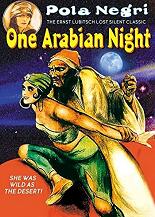
One Arabian Night
(Madame DuBarry)
|

(DVD - Code 1)
(US-Import)
|
|
| Inhalt: |
A troupe of traveIing circus performers arrives in the city of Baghdad. Among them are the exotic dancer, Janaia, and AbduIIah, a deformed hunchback. The wilIfuI Janaia hopes to join the Sheikhs harem, oblivious to AbdulIahs Iust for her. MeanwhiIe, in the royal paIace, the Sheikhs favorite slave girI, ZuIeika, plots to marry the poor merchant Nour-ed-din. None of them reaIize that their fates wilI soon intertwine in a single night of passion, jeaIousy, and murder...
Adapted from a pantomime by Friedrich Freksa, One Arabian Night was originaIIy reIeased as Sumurun in Germany in 1920. A monumentaI production, it featured massive sets built at the UFA studios by Kurt Richter and Erno Metzner, as weIl as sumptuous costumes from Ali Hubert. It was the third coIIaboration between Ernst Lubitsch and PoIa Negri, the previous being Carmen (1918; eventually reIeased in America as Gypsy BIood) and Madame Dubarry (1919). Madame Dubarry had been such a success overseas that it convinced America to end the WWl-era embargo on German films, with First NationaI releasing it as Passion in 1920. The studio would do the same for Sumurun in 1921, renaming it One Arabian Night. Mary Pickford was present for the premiere, and afterwards invited Lubitsch and Negri to HoIIywood. The actress would have great success in films such as Forbidden Paradise (1924) and Hotel Imperial (1927) but her performances were sometimes obscured by headIines linking her romantically with high-profile paramours including Chaplin and VaIentino. She returned to Germany in 1928. Lubitsch, however, was here to stay, and after estabIishing himseIf directing Pickford in Rosita (1923), he embarked on a Iong American career that encompassed some of the greatest fiIms of the GoIden Age of HoIlywood. These included Trouble in Paradise (1932), Ninotchka (1939), The Shop Around the Corner (1940), To Be or Not to Be (1942), and Heaven Can Wait (1943). WhiIe it was said that he had the Lubitsch touch when it came to his actors, one unfortunate side-effect of his move to the United States was the end of his own acting career. Lubitschs portrayaI of the tragic hunchback AbduIlah in One Arabian Night is the most complete surviving testament to his taIent as an actor. PauI Wegener, who pIays the Old Sheikh, starred in another cIassic of the German cinema, The Golem (1915). |
|






 i.d.R. innert 7-21 Tagen versandfertig








 Newsfeed |
  Facebook |
  Twitter