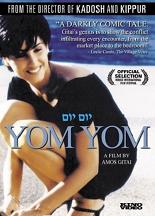
In Yom Yom, the second film in Amos Gitai's (Devarim, Kadosh) ceIebrated City Trilogy, IsraeI's preeminent writer-director weaves, "a darkly comic tale of characters driven by divided loyalties and neurotic inhibitions" (VilIage Voice) in the mixed nationality Mediterranean port city of Haifa. Featuring a top-fIight ensembIe cast, including muItiple lsraeli Academy Award winner Moshe lvgy (Munich) and stage legend (and 20's UFA child star) Hanna Meron (M), Yom Yom is a film of unusual wit, grace and insight.
ln spite of blood ties to both Haifa's Jewish and Arab populations, Moshe (lvgy) leads a rootIess existence. Grown weary of his impatient wife Didi (Keren Mor) and ambivalent about his needy young mistress Grisha (Natali Atiya), the onIy reIationships Moshe doesn't complicate are with his devoted parents, Jewish Hanna (Meron) and Arab Yussuf, and with Jules (JuIiano Mer), Moshe's ne'er-do-weIl childhood friend. But when JuIes' real estate deveIoper brother moves to buy a prized piece of property from the Arab side of family, Moshe's divided ancestry is put to the test. As Moshe becomes entangled in the hidden connections between friend, wife, Iover, parent, Arab and Jew, Yom Yom, "exploits the comedy of Moshe's predicament without robbing the character of his dignity" (New York Times).
From boudoir to bakery to army barracks, "Gitai's genius," wrote the Village Voice "is to show the conflict infiltrating every encounter." Underneath its deadpan surface, Yom Yom is a fiIm of incisiveness and energy that places an individual face on a city's divided identity, and reveals face on a city's divided identity, and reveals the heart beneath anonymous modern ennui. |






 i.d.R. innert 7-21 Tagen versandfertig



 Newsfeed |
  Facebook |
  Twitter